It Takes One Person: Breaking Negative Family Patterns as a Mother
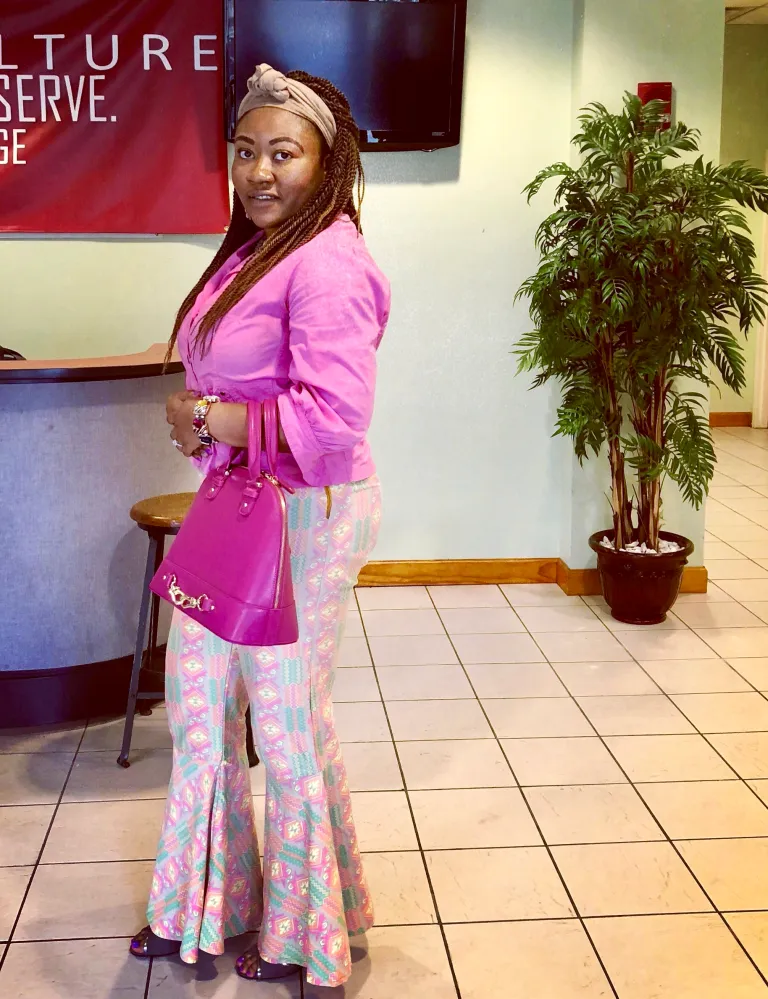
I was born and raised in Nigeria. A few months after I turned 15, I moved to the United States, so I spent most of my teenage years here. Growing up between two worlds taught me early that every family has its own way of doing things, its own rules, and its own unspoken expectations.
We all come from different family dynamics. Today I want to talk about what happens to those dynamics when we grow up and start families of our own, and I'm speaking from where I am now: motherhood.
I'm a mother of three handsome boys, thank God. I also hold a master's in social work, and I work as a benefit specialist at a psychiatric hospital. All of that shapes how I see family, and I want to share it with you.
What a Psychiatric Hospital Taught Me
I never planned to work in mental health. During my last semester of grad school I attended a global mental health conference, and I still didn't see myself in that field. Life had other plans. I've now worked in a psychiatric hospital for almost four years, and most of my mental health experience comes from this one place.
If you want an environment that will challenge you, shape you, and maybe even help you find yourself, consider working in a psychiatric hospital near you. I'm not saying it's easy. I'm saying it will teach you things no classroom can. You'll see how deeply our upbringing, our family, and our environment shape who we become. You'll also see how much strength people carry, even on their hardest days.
That experience has equipped me to handle many of the challenges life throws at me, including challenges at home. Which brings me back to family.
Your Family Wasn't Perfect. That's Not the End of the Story.
Maybe your family dynamic wasn't positive. Maybe it wasn't what you hoped it would be. Maybe love was missing, or it was never shown in the ways you needed.
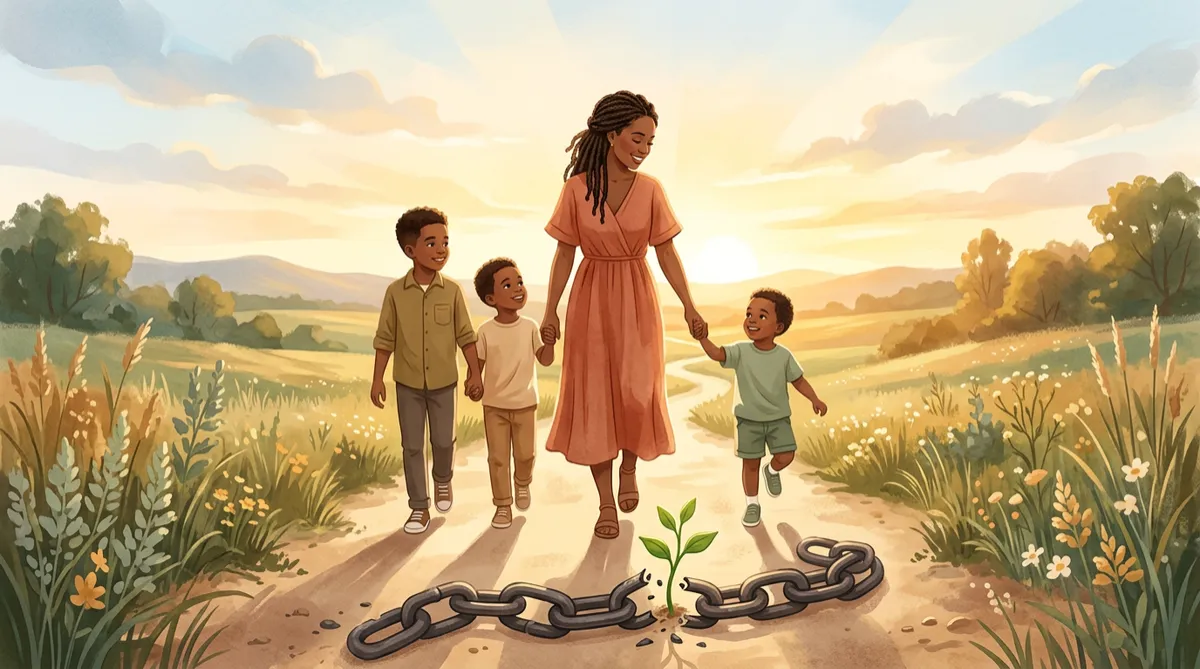
Here is what I want you to hear: it only takes one person to break a negative family pattern, and that person can be you.
When you move from being single to becoming a mother, you step into a position of real power. You get to decide what your home will feel like. You get to choose what your children will see, hear, and learn about love.
Many families stay stuck because no one ever broke the yoke. Each generation inherits the same hurt and passes it down, because no one stopped to say, “This ends with me.”
If you grew up in a home where love wasn't shown, you can decide:
- “When I build my own family, I will show love through my actions.”
- “My children will hear ‘I love you’ and feel it.”
- “The pain I received will not become the pain I give.”
It starts with one person making one decision.
When Culture Becomes a Heavy Load
Many of us also let culture decide how we behave in our new families.
In my case, I'm the first daughter. In many cultures, including mine, there are behaviors that are considered proper for the first daughter, such as what she carries, what she sacrifices, and what is expected of her.
Some of those expectations come from love and tradition, and some of them are beautiful. But I had to ask myself some honest questions:
- Are these behaviors making me happy?
- Are they causing me stress, anxiety, or depression?
- Do they truly fit who I am?
If the answer is no, why should I keep doing them just because that's how it has always been done?
Culture is not a person. Culture is a way of life that a group of people agreed on at some point. And sometimes that way of life stops being right for the times we live in. A custom that once served a community can later become a burden on the people living under it.
I want to be clear that this is not about rejecting where you come from or being ashamed of your roots. I'm proud of my Nigerian heritage. It's about keeping what is good and loving, and having the courage to question what is harmful.
The New Generation Is Asking Better Questions
I'm encouraged because the new generation is challenging cultural norms that no longer serve us. They are asking why and refusing to accept “because that's how it's done” as an answer.
So I urge you to challenge any cultural norm from your upbringing that should no longer be tolerated. Do it so that as you create your own family, whether you're already a mother or still single and dreaming of one, you can build your own good family culture.
Your children can grow up knowing, “This is how our family does things.” That's true even if it looks different from how things were done in the home you came from.
Don't Carry It Into Your New Home
This is where many mothers and fathers run into trouble. They carry old, harmful norms into their new homes. They let those habits dictate how they parent, how they communicate, and how they treat their spouse. Before long, the hurt of one generation shapes the next.
I understand that none of us chose where we were born or who raised us. Where you were born is where God placed you, and none of us had a say in it. Think of the children born into difficult circumstances, such as a baby born to a mother who is living with severe mental illness and has no home and no support. That child didn't choose that beginning. It's simply where life started for them.
So we can't choose where we begin. But we can choose where we go from here.
Some patterns will follow you for as long as you let them. They'll follow you until someone decides to break free, and then the next generation walks lighter because of that choice.
Free Yourself, Especially as a Mother
Freeing yourself is important for you, and it's even more important for your children. Children don't just do what we say. They absorb what we model. If you want to raise emotionally healthy children, you have to do the healing and breaking-free yourself.
If you're feeling weighed down by the way you were raised, here are some small first steps:
- Name it. Write down the patterns or cultural expectations that hurt you growing up.
- Decide what stops with you. Pick one behavior you refuse to pass on.
- Decide what you'll start. Choose one new habit, such as a bedtime ritual, saying “I love you,” or an apology when you're wrong.
- Get support. Talk to a trusted friend, a faith leader, or a counselor. You don't have to do this alone.
Let's Talk About It
I'd love to hear from you in the comments. Is there a cultural norm or family pattern that affected you negatively while growing up? How are you choosing to free yourself from it?
My blog is mostly for women and mothers, but I know a single person may come across this message one day. I hope it helps them make the right choice before they ever start a family.
Thank you for reading, and I'll see you on my next blog.
With love,
Anne, Amaka Inspires