Born on World Suicide Prevention Day: A Journey
Mental Health, Suicide Prevention, Faith, Personal Journey
Born on World Suicide Prevention Day: A Personal Journey Toward Presence and Awareness
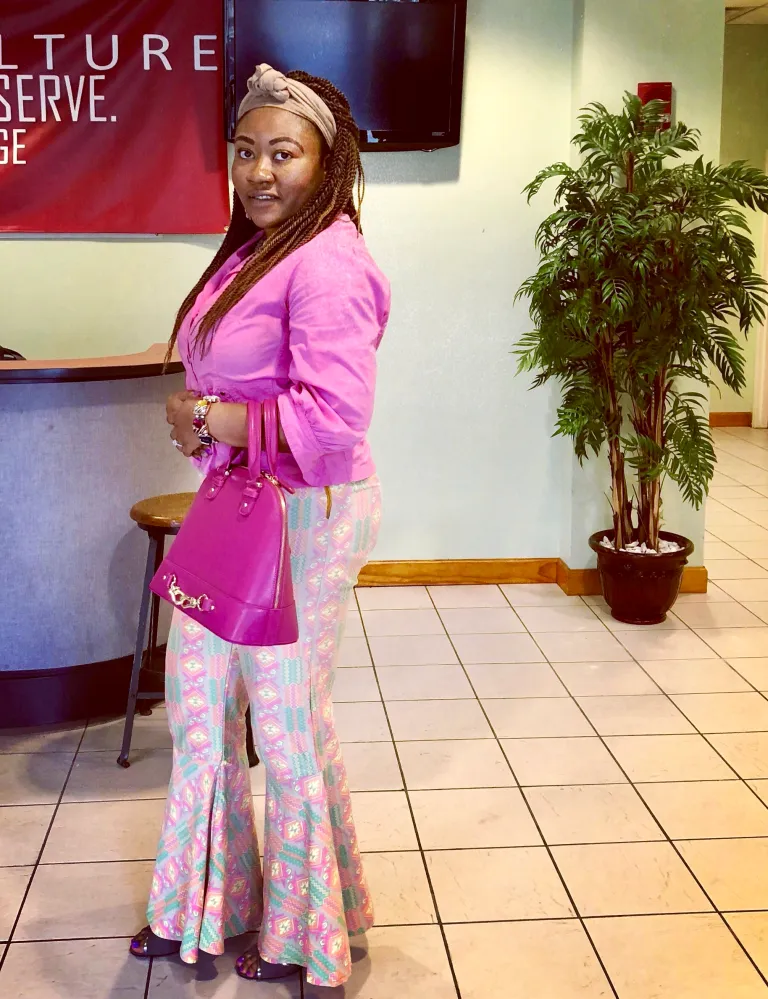
I was born on September 10th, a date the world now recognizes as World Suicide Prevention Day. Every year, as candles are lit, ribbons are worn, and stories are shared in honor of those we’ve lost and those still fighting, I quietly whisper, “Happy birthday” to myself and “Lord, make my life count” to God. My birthday has become more than cake and balloons; it feels like a sacred reminder that my life is tied, in some small way, to the work of hope, presence, and prevention.
September: A Month of Birthdays, Ribbons, and Remembrance
Every September, the world pauses at least a little to talk about suicide prevention. The entire month is recognized as Suicide Prevention Month, with National Suicide Prevention Week falling between September 6th and 12th, and right in the middle of that week is September 10th: World Suicide Prevention Day and my birthday. I don’t think that’s an accident. I receive it as an assignment, a quiet calling on my life to be present, to be aware, and to be a bridge for those who feel like they’re standing at the edge of their own hope.
For me, September is layered. It’s celebration and sorrow, balloons and vigil candles, laughter and heavy conversations. I blow out birthday candles knowing that somewhere, someone is blowing out the last little flame of their will to live. That reality has never sat lightly on my heart. It pushes me to ask God, “How can I be part of Your answer? How can I show up better for the people You place in my life?”
How India Opened My Eyes to Mental Health
My journey into the mental health field didn’t start in a hospital. It started on the other side of the world, in India, in 2015. I was a student at the University of Maryland, Baltimore, and I signed up for a class called International Social Work. At first, I thought I would go to Germany closer in culture, more familiar, a bit “safer” in my mind. But something in me wanted different. I wanted to see the world through a new lens, to be stretched in ways I couldn’t predict. So I chose India, through a partnership with Rajagiri College of Social Sciences, and that decision quietly changed the trajectory of my life.
For two weeks, our small group traveled, listened, and learned. We visited an orphanage and saw children who had lost so much, yet still found ways to smile, to play, to hold onto one another. We walked through a hospital and witnessed care being offered with limited resources but abundant compassion. We toured a spice village, where the air itself felt alive with color and scent, reminding me that life is both ordinary and miraculous at the same time. And then, there was the global mental health symposium the moment my heart shifted in a way I couldn’t ignore.
Sitting among students, professionals, and advocates from different countries, I heard people talk openly about depression, anxiety, trauma, and suicide. I listened as they shared how culture, stigma, poverty, and access all shape the way mental health is experienced and addressed. Until then, mental health had felt like a side topic in my life important, yes, but distant. That day, it moved from the margins to the center. I remember thinking, This matters everywhere. This matters for everyone. And maybe, this is supposed to matter to me in a deeper way.
I didn’t walk away with a five-year plan or a perfectly clear calling, but I did walk away with a seed planted. A seed that said, “Pay attention. People are carrying invisible pain. You are not powerless. You can learn, you can listen, you can be present.” I believe God used that trip to soften my heart toward those whose battles are mostly fought in silence. I had no idea then that I would one day walk hospital halls with that same sense of holy responsibility.
Stepping into the Psychiatric Hospital: Faces Behind the Diagnoses
Fast forward to December 2022. That’s when I stepped into my role at a psychiatric hospital, and the world of mental health moved from conference presentations and classroom discussions into the raw, unfiltered reality of people’s lives. For almost four years now, I’ve walked those halls, sat in those rooms, and looked into the eyes of people carrying diagnoses that sound clinical on paper but feel heavy and human in person major depression, bipolar disorder, schizophrenia, PTSD, substance use disorders, and more. Each chart I open has symptoms and histories, but each person I meet has a story, a soul, and a reason they’re still here, even if they can’t always see it themselves.
Working in a psychiatric hospital has humbled me. It has taught me that mental illness does not discriminate. It doesn’t care about your job title, your income, your education, your faith background, or how “put together” you look on the outside. I’ve met people who were homeless and people who were highly educated professionals. I’ve met teenagers and grandparents. I’ve met those who could barely speak through their tears and those who cracked jokes to keep from falling apart. And in all of it, I’ve felt this constant pull from God: See them. Really see them. Be present. Be kind. Be My hands and feet here.
The Young Man I Never Forgot
There is one patient whose memory I carry very close to my heart. I won’t share his name, of course, but I will share what he taught me. He was a young man in his twenties brilliant, quiet, and thoughtful. He was non-verbal and had significant hearing difficulties, so our communication looked different. Instead of the usual back-and-forth conversation, we relied on a phone app with sign language interpretation. Technology became our bridge, and through that bridge, I began to see who he was beyond his diagnosis and beyond his disabilities.
He worked virtually for Amazon, held a steady job, and was already receiving Social Security benefits. On paper, many would have called him “high functioning.” He was smart, capable, and had a future that, from the outside, looked promising. But paper never tells the whole story, and smiles don’t always tell the truth. I remember the patience it took for us to communicate, the way he would watch the interpreter on the screen, then look back at me with a small nod or a thoughtful expression. In those moments, I was reminded that being present is not always about having the perfect words; sometimes, it’s simply about staying in the moment with someone, even when it’s slow, even when it’s hard, even when it’s awkward.
Months after he was discharged, I learned that he had taken his life. The news hit me like a wave I didn’t see coming. I remember sitting there, trying to process it, feeling grief and anger and deep sadness all at once. I thought about his face, his hands, the way he engaged through that little phone screen. I thought about how easy it is to assume someone is “okay” because they have a job, or benefits, or seem to be “managing.” And I thought about how fragile life is, how complex pain can be, and how desperately we need one another to make it through.
I want to pause here, in honor of him and in honor of every person we’ve lost to suicide. If you’re reading this and you’ve lost someone, I’m so sorry. I may not know their name, but God does. I may not know their story, but I believe their life mattered deeply. Their absence is not small, and your grief is not something you have to “get over” on a timeline. I carry this young man’s memory with me as a reminder that our work is not just professional it is sacred. Every interaction, every moment of eye contact, every small act of kindness can be part of someone’s reason to hold on just a little longer.
What Suicide Doesn’t Always Show on the Face
One of the hardest truths I’ve learned in this work is that suicide does not always look like what we expect. It doesn’t always show up as someone crying every day or openly saying, “I want to die.” Sometimes, it looks like the friend who is always cracking jokes, the coworker who never misses a deadline, the family member who says “I’m fine” so quickly that you don’t have time to question it. Sometimes, it looks like the person who is always there for everyone else but never lets anyone in on their own pain.
People are skilled at hiding. We hide our trauma under clothes, behind makeup, under perfectly curated social media feeds, and behind busy schedules. We hide behind “I’m just tired,” “I’ve been busy,” or “It’s not that serious.” We hide because we’re afraid of being a burden, of being judged, of being misunderstood. And sometimes we hide because we don’t have the words to explain what we’re feeling we just know it hurts, and it feels like too much.
Suicide is often a storm that builds in silence. By the time someone is in crisis, the people around them may feel blindsided. That’s why presence matters so much. When we slow down enough to notice changes in the people we love changes in mood, behavior, energy, or engagement we give ourselves a chance to lean in instead of drifting away. We can’t read minds, and we can’t save everyone, but we can create spaces where people feel safer saying, “Actually, I’m not okay,” without fear of being dismissed or shamed.
Be Intentionally Present: Slow Down for the People You Love
If there is one message I want to press gently but firmly into your heart, it’s this: Be intentionally present in the lives of your loved ones. Not just physically in the same room, but emotionally, mentally, and spiritually attuned. Presence is more than proximity; it is attention. It is curiosity. It is love that lingers long enough to truly see and hear another person.
In a world that glorifies busyness, presence is a radical choice. We rush from work to errands to church to social events, scrolling our way through spare moments, and then wonder why we feel so disconnected from the very people we love the most. I’m preaching to myself here too. It takes intention to put the phone down, turn the TV off, and look someone in the eyes and say, “How are you really?” And then wait long enough, with enough patience and gentleness, to hear the answer beneath the automatic “I’m fine.”
Be reachable. Let the people in your life know that your door and your heart is open. Not just in crisis, but on ordinary Tuesdays when life feels heavy in ways that are hard to explain. Create an open-door policy in your home and in your relationships. That might look like:
Checking in regularly with a simple, “Thinking about you. How’s your heart today?”
Making time for unhurried conversations no multitasking, no rushing, just listening.
Letting your children, siblings, friends, and church family know: “You will never be too much for me. You can tell me the hard things.”
Being willing to sit with someone’s pain without rushing to fix it or spiritualize it away.
Presence is not a grand gesture; it’s a series of small, steady choices. It’s the decision to answer the late-night call, to send the text, to ask the follow-up question, to notice when someone withdraws, and to gently knock on the door of their heart again and again. It’s saying with your actions, “You are not alone. I see you. I care.”
Families, Children, and the Gift of Quality Time
If you are a parent, aunt, uncle, grandparent, or caregiver, I want to speak to you directly for a moment: Your presence is powerful. Children may not always have the language to say, “I’m anxious,” “I’m overwhelmed,” or “I feel alone,” but they feel everything. They notice when we’re distracted, when we’re always working, when we’re physically there but emotionally far away. They also notice when we slow down, when we laugh with them, when we listen without judgment, and when we make time just for them.
Spend quality time with your children. Travel together if you can, even if it’s just a day trip to a nearby park or a simple outing to get ice cream. Build memories that say, “You matter to me more than my to-do list.” Be their safe place. Be their best friend, not in the sense of blurring boundaries, but in the sense that they know they can come to you with anything joys, mistakes, questions, and fears without fear of being shamed or dismissed. When children grow up in environments where their emotions are welcomed instead of silenced, they are more likely to reach out for help when life gets hard later on.
The same is true for our spouses, siblings, and parents. Sometimes we assume they’re “fine” because they’ve always been strong, always been the helper, always been the one others lean on. But strong people get tired too. Helpers need help. The ones who “have it all together” may be the ones who feel the least permission to fall apart. Let’s not wait until a crisis to say, “You can talk to me.” Let’s say it now, and often, with our words and our actions.
Faith, Prayer, and the Call to Action
My faith is the lens through which I see all of this. I believe in the power of prayer. I believe God hears us when we cry out, whether in whispered prayers at midnight or in desperate sobs that don’t have words. I believe He is close to the brokenhearted and saves those who are crushed in spirit. But I also believe this: prayer must be accompanied by action. We cannot simply say, “I’ll pray for you,” and then disappear from someone’s life. We are called to be the hands and feet of Jesus, to love not just in words, but in deeds and in truth.
When someone shares their pain with you, pray for them and then check on them. Offer to help them find a therapist, a support group, or a trusted pastor or mentor. Sit with them in the waiting room if they’re afraid to go alone. Learn the warning signs of suicide, but also learn the everyday practices of compassion that make it easier for people to speak up long before they reach that point. Sometimes the most spiritual thing we can do is show up consistently, listen deeply, and help someone access the resources they need to stay alive and to heal.
Faith is not a shortcut around mental health care. It is a foundation that can support us as we seek help, take medication when needed, attend therapy, and build healthier lives. God works through doctors, therapists, social workers, medications, support groups, and ordinary friends who care enough to stay. Praying and then refusing to act is like asking God to feed someone while we hoard the bread in our own hands. He often answers prayers through people and you and I get to be those people for someone.
A Birthday, a Ribbon, and a Call to Action
So here I am, a woman born on World Suicide Prevention Day, writing to you during Suicide Prevention Month, in the heart of National Suicide Prevention Week. I don’t think my birthday falling on September 10th makes me special, but I do think it makes me responsible. It reminds me that my life is not just about me it’s about how I show up for others, how I steward the experiences God has given me, and how I respond to the pain I see around me every day at the hospital and in my community.
This year, as I celebrate another year of life, I’m also honoring the lives of those we’ve lost to suicide and those who are still here, fighting battles we may never fully understand. I’m honoring that young man whose hands signed words to me through a phone screen. I’m honoring the patients I’ve met who chose to stay, even when everything in them wanted to give up. I’m honoring the families who sit in waiting rooms, praying and hoping for their loved one’s healing. And I’m honoring you, wherever you are, however you’re feeling right now, simply for being here and reading these words.
As I blow out my birthday candles, my prayer is simple: Lord, help me be present. Help me notice. Help me love well. Use my life, my story, my work, and even my birthday to bring awareness, comfort, and hope. And I want to invite you into that prayer with me not just as words, but as a way of living.
How You Can Help: Your Part in Suicide Prevention
You don’t have to work in a psychiatric hospital to be part of suicide prevention. You don’t need a degree in social work or psychology. You simply need a willing heart, open eyes, and the courage to act. Here are some ways you can contribute to suicide prevention in your community:
Educate yourself. Learn the warning signs of suicide and basic crisis response. Many organizations offer free or low-cost trainings online and in person.
Normalize mental health conversations. Talk openly about therapy, stress, grief, and emotional struggles in your family, church, and friend groups. Silence feeds stigma; honesty breaks it.
Support local resources. Volunteer, donate, or partner with organizations that provide mental health services, crisis lines, or support groups in your area.
Be that safe person. Let people in your life know that you will listen without judgment if they’re struggling, and mean it. Follow up. Check in. Stay consistent.
Pray and move. Pray for those who are struggling, and then ask God how He wants you to show up for them in practical ways.
If you yourself are struggling, I want you to hear this: Your life is valuable. Your presence matters more than you know. Reaching out for help is not a sign of weakness; it is a sign of courage. Tell someone you trust. Call a crisis line. Talk to a pastor, a therapist, a friend. You are not a burden. You are not alone. You are loved by God, and by people who may not even know your name yet but are ready to walk with you when you let them in.
A Birthday Blessing and a Shared Commitment
As I mark another year of life on September 10th, I’m choosing to see my birthday as both a celebration and a commission. I am grateful to be alive. I am grateful for the path that took me from a classroom in India, to a global mental health symposium, to the halls of a psychiatric hospital, to the stories and faces that have shaped my heart. And I am grateful for you for caring enough about this topic to read all the way to the end, for being willing to consider how your presence might be a lifeline for someone else.
So here is my birthday wish: that each of us would slow down, open our eyes, and choose intentional presence. That we would create open-door homes and open-heart relationships. That we would blend prayer with action, faith with compassion, and awareness with courage. That we would refuse to look away from pain, and instead lean in with gentleness, wisdom, and love. And that together, in big and small ways, we would help write a different story one where fewer lives are cut short by suicide, and more people find reasons to stay, to heal, and to hope again.
From my heart to yours, thank you for walking this journey with me through these words. As World Suicide Prevention Day and my birthday come around again, I invite you to join me: be present, be aware, be reachable, and be part of the healing that our families, our churches, and our communities so desperately need.